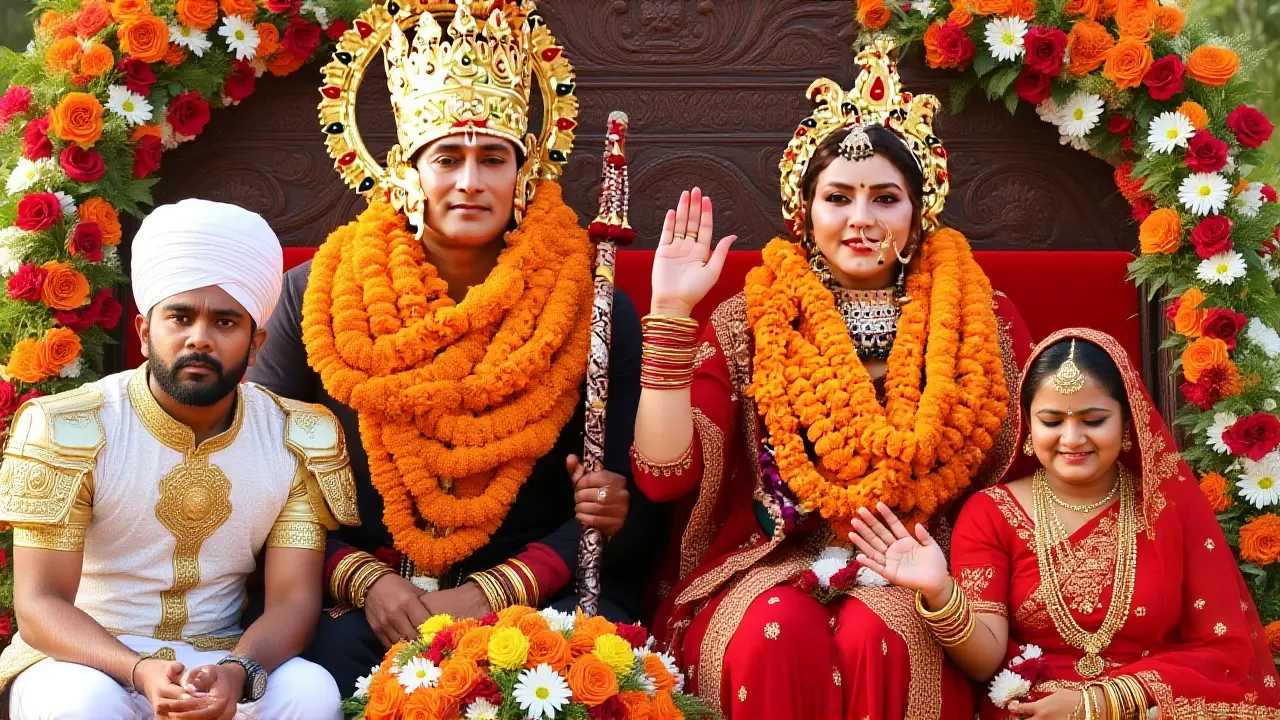
Devotees across the globe marked a significant spiritual milestone on March 26, 2026, celebrating the birth of Lord Rama, the seventh avatar of Vishnu. As Ram Navami 2026India unfolded, millions exchanged blessings emphasizing dharma and righteousness. It wasn't just about rituals; the atmosphere buzzed with digital greetings flooding WhatsApp chats and social media feeds. Major news outlets tracked the fervor, noting how the festival served as the grand finale of Chaitra Navratri 2026.
The Spiritual Core of the Celebration
While the digital noise was loud, the heart of the occasion remained grounded in ancient teachings. Devotees didn't just share emojis; they reflected on the life of an ideal king. The core message revolved around patience, honesty, and the triumph of truth over power. Many observers noted a shift in how younger generations viewed these values. Instead of seeing them as outdated rules, many treated them as practical guides for modern stress.
This year, the observance aligned perfectly with the spring season, symbolizing renewal. Temples saw a surge in visitors offering flowers and sweets. The quiet mornings were filled with the chanting of mantras, creating a sensory experience of devotion. It's interesting how a festival thousands of years old managed to stay relevant without losing its essence.
Digital Greetings and Social Trends
Social media played a massive role in spreading joy this time around. Platforms like Facebook and Instagram were saturated with personalized images. You could see everything from intricate rangoli designs to minimalist quotes featuring Lord Rama. The trend wasn't just about posting; it was about curating a message that resonated with personal struggles.
Times of India and Hindustan Times compiled lists of top wishes that went viral. Short phrases like "Jai Shri Ram" topped the charts alongside heartfelt long-form messages. People wanted to express care, not just obligation. One popular sentiment captured this shift: "May Lord Rama's ideals inspire you to lead a life of truth and courage." These weren't copy-pasted templates; they felt genuine.
WhatsApp statuses became a major vehicle for these sentiments. Friends shared voice notes along with images, adding a layer of intimacy to the digital greeting. It turned a traditional festival into a community-building exercise. Even professional networks leaned into the occasion, wishing colleagues prosperity and good health with formal yet warm messages.
Teachings Drawn from Ancient Texts
Beyond the greetings, there was a strong emphasis on the philosophical underpinnings found in scripture. References to the Ramayana and Ramcharitmanas were prevalent in the content shared online. Quotes highlighted that strength lies in righteousness, not dominance. One recurring theme was the idea that a calm mind serves as the greatest defense against chaos.
Scholars and community leaders pointed out that these stories offer actionable advice for daily conflicts. When people chose to share quotes about choosing "righteousness over power," it signaled a desire for ethical leadership in their own circles. The festival reminded everyone that victory isn't just winning; it's maintaining integrity while winning.
Media Coverage and Global Reach
The visibility of Ram Navami 2026 extended beyond local communities. India Today and Republic World reported on events taking place globally. Diaspora communities organized large gatherings, ensuring traditions survived distance.
Coverage wasn't limited to religious specifics; business and economic platforms also covered the holiday's impact. Retail sectors noted increased spending on festive gifts and religious items. This economic activity highlighted how culture and commerce intertwine during holy seasons. It's worth remembering that festivals drive both spirit and economy simultaneously.
Looking Ahead to Future Observances
As the dust settled on March 26, discussions began about how to sustain this energy throughout the year. Religious groups encouraged members to adopt the values of patience and compassion as daily habits rather than annual obligations. The consensus was clear: the celebration shouldn't stop after the last bell rings.
Future editions of Ram Navami are expected to continue blending traditional fasting with modern digital expression. We are watching for how these hybrid celebrations evolve. For now, the focus remains on carrying forward the light of dharma into the uncertain times ahead.
Frequently Asked Questions
When was Ram Navami celebrated in 2026?
Ram Navami 2026 took place on March 26, 2026. This date marks the traditional birth anniversary of Lord Rama according to the Hindu calendar alignment with the Gregorian system for that year.
What are the core values celebrated during this festival?
The festival emphasizes dharma (righteousness), truth, patience, compassion, and humility. Devotees are encouraged to reflect on the virtues embodied by Lord Rama in their daily conduct.
How is Ram Navami observed globally?
Observances range from temple prayers and fasting to digital wish exchanges on WhatsApp and social media. Communities worldwide organize cultural events to maintain connection with their heritage.
Which scriptures are referenced during Ram Navami?
Primary references include the Valmiki Ramayana and the Ramcharitmanas by Tulsidas. These texts provide the foundational stories and moral lessons shared through quotes and wishes.
Is this festival linked to other Hindu events?
Yes, Ram Navami serves as the culmination of Chaitra Navratri 2026. It follows a nine-night period of worship dedicated to various forms of divine energy.
Arun Prasath
March 28, 2026 AT 17:30The alignment of Chaitra Navratri with this festival always makes the period spiritually significant. Observing the shift towards digital greetings indicates how traditions evolve without losing their root. It is essential to maintain the core teaching while embracing modern methods. Devotees need to understand the symbolism behind the rituals performed during these nine nights. The emphasis on dharma remains constant regardless of the medium used for celebration.
saravanan saran
March 30, 2026 AT 10:27I agree with the perspective on cultural continuity. The philosophical depth of the Ramayana offers guidance for contemporary challenges. Peaceful coexistence relies on understanding shared values across generations. We see this reflected in how diaspora communities preserve their heritage abroad.
Nikita Roy
March 31, 2026 AT 06:11Really nice to see everyone connecting through these shared values and wishes
SAURABH PATHAK
April 1, 2026 AT 03:07The scriptural references matter deeply in this context. Valmiki wrote the epic centuries before modern social media existed. People often forget the historical context surrounding these events today. We see digital noise overwhelming the silence required for true reflection. This overshadows the actual fasting practices done by many households. Many temples remain closed early due to security concerns nowadays. Devotees adapt anyway to keep the spirit alive in their homes. They share images instead of sitting in prayer halls sometimes. This shifts the focus to visuals rather than internal growth. Textual wisdom gets lost when we scroll past deep quotes. We need more reading groups focused on the original texts actively. Community leaders should step up to guide these discussions properly. Schools could use stories too to teach ethical behavior. It builds character in kids who grow up with these narratives. Dharma requires understanding beyond simple recitation. Not just ritualistic chanting without comprehension of the meaning. True devotion needs practice in daily interpersonal interactions. We talk about patience daily but act impulsively online. Victory involves maintaining integrity while achieving goals successfully.
Senthilkumar Vedagiri
April 1, 2026 AT 07:56Why do they push this narrative every year without change? Probably corporate interests driving the wish templates seen everywhere. Media outlets love tracking engagement metrics more than spirituality. Its all about keeping people distracted with viral lists. Trust nothing official and just do what feels right internally.
Anamika Goyal
April 1, 2026 AT 15:16Focusing on kindness helps everyone feel connected during such festive seasons. The emotional support provided through messages means a lot to those isolated. Shared joy amplifies individual happiness significantly.
Prathamesh Shrikhande
April 3, 2026 AT 05:33Absolutely agree 🙏✨ Love seeing the positivity spread everywhere this week 💖🌸
Priya Menon
April 4, 2026 AT 21:34Maintaining tradition while integrating technology presents a unique opportunity for growth. Structure in celebration helps anchor us during chaotic times. We must ensure the message reaches those who might feel left out. Inclusivity remains paramount when discussing universal values like truth.
Jivika Mahal
April 5, 2026 AT 12:46Yah definitely its great to see young ones embracing thsi so willingly. Mistakes happen when typing fast but the intention counts mostly. Lets all keep spreading love and light together. Everyone shoul join in regardless of background.
Anu Taneja
April 5, 2026 AT 13:10Quiet reflection often holds more value than public displays of piety. Personal growth happens in solitude as much as in community gatherings. It is worth considering how to carry forward the lessons privately.
Anirban Das
April 6, 2026 AT 21:11Simple joys are best enjoyed without complication :)